Lititz & Manheim Township
Cigar & Bourbon Lounge · Lititz

Home cigar lounges in Lititz and Manheim Township.

A cigar lounge is only pleasant if the smoke stays where it belongs. We engineer the air first, then finish the room in leather, wood and stone so it feels like a private club.

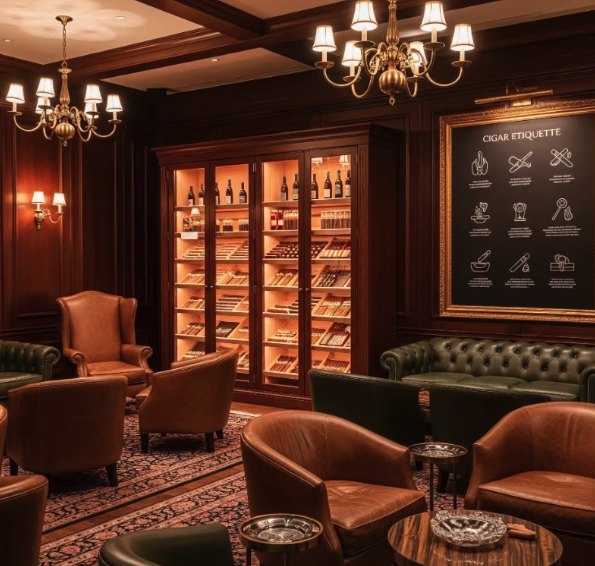
Walnut-paneled cigar lounge with a glass humidor wall, lit bourbon shelves and tufted leather chairs
Lititz & Manheim Township

A cigar lounge in a Lancaster County home

A cigar lounge is a quiet room. In a lot of homes in Manheim Township and Warwick Township that room ends up in the basement, off a finished lower level or in a space over the garage. Wherever it goes, the goal is the same. You should be able to light up after dinner without anyone upstairs smelling it the next morning.

The house shapes how we do that. Newer homes around Neffsville and in Warwick Township are built tight, which is good for energy bills but means an exhaust fan pulling air out of the house has to be balanced with make-up air coming back in. Older homes in Lititz can be leaky in some places and sealed in others, and many still have fuel-burning appliances in the basement. We check all of it before the room is designed.

After the air is handled, the room can be what you want. Some people picture a leather-and-walnut study with a walk-in humidor. Others want a bourbon wall, a card table and a television for the game. Joe designs the room around how you'll actually use it and who will be in it, and Tom builds it with finishes that hold up to smoke over time.

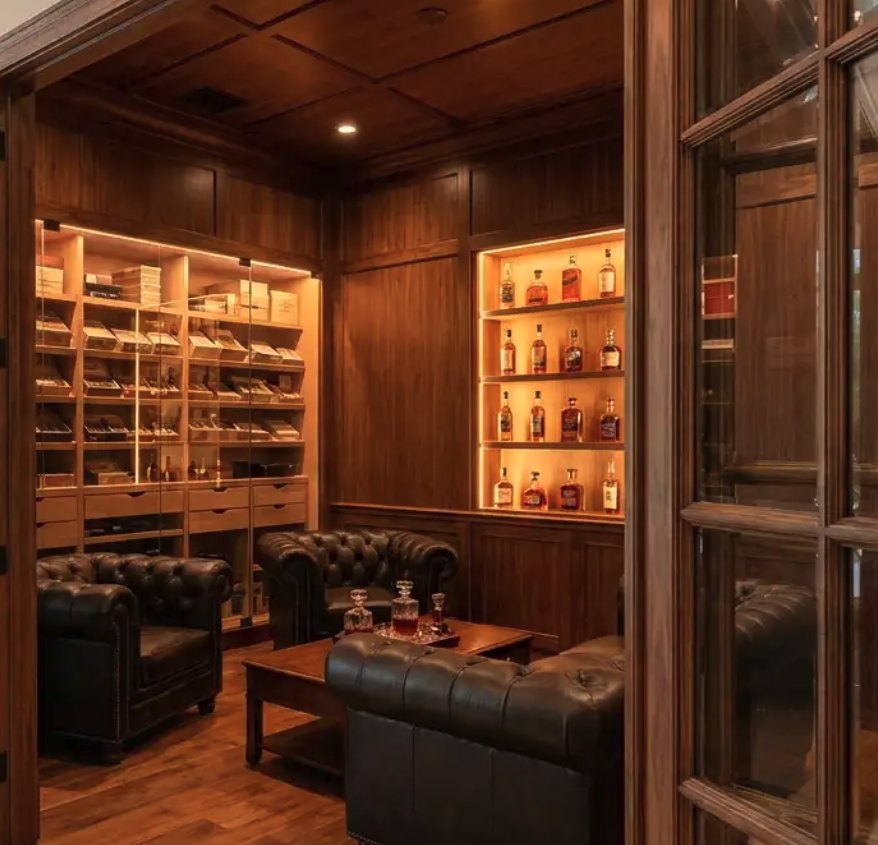
Paneled cigar lounge with a lit humidor cabinet, brass chandeliers and leather club chairs
Engineered first

How we keep the smoke in the lounge

Exhaust sized to the room

A bathroom fan won't do it. We size dedicated exhaust to the volume of the room and how many people will be smoking, and duct it to the outside. The lounge is kept at slightly negative pressure so smoke is pulled out instead of drifting into the house.

Make-up air and back-drafting

Pulling air out of a house means air has to come back in. Without make-up air, an exhaust fan can draw fumes back down a furnace or water heater flue. We plan make-up air with that in mind, which matters in tight newer homes and in basements with gas appliances.

A sealed room and its own zone

Smoke rides ductwork and slips under doors. We seal the room, use a solid-core door with gaskets, and give the lounge its own HVAC zone so it never shares return air with the rest of the house. Filtration and air cleaning handle what lingers.

Humidor and odor-resistant finishes

Cigars keep best around 65 to 70 percent humidity. We build cabinet or walk-in humidors lined in Spanish cedar with active humidity control. In the room we use leather, hardwood and stone, and skip carpet and fabric drapes that hold onto smoke.

What's included

One contract covers the whole room.

  • Air and pressure assessment of the house
  • Dedicated exhaust ducted to the exterior
  • Make-up air planned around fuel-burning appliances
  • Sealed room with a gasketed solid-core door
  • Separate HVAC zone and air filtration
  • Cabinet or walk-in humidor with humidity control
  • Bourbon or bar wall with display lighting
  • Leather, hardwood and stone finish package
  • Manuals and a maintenance schedule at the reveal
What it costs

Typical investment for a cigar lounge.

A cigar lounge's cost is driven mostly by the air system the room needs and the humidor and finishes you choose. Here is how projects typically range.

Converted lounge

$40,000–$80,000

An existing room sealed and fitted with dedicated smoke exhaust, make-up air, filtration and a humidor cabinet.

Full cigar lounge

$80,000–$175,000

Its own HVAC zone, a walk-in or built-in humidor, a bourbon wall or bar, and odor-resistant millwork and finishes.

Club-style suite

$175,000–$300,000+

A larger lounge with a full bar, fireplace or media wall, coffered ceilings and custom paneling throughout.

These are typical industry ranges for finished projects in Pennsylvania, shown for planning only. They are not a quote. Your price depends on the size and condition of the space, the structural, electrical, plumbing and HVAC work it needs, the cabinetry and finish level you choose, and permit requirements. Ventilation and humidor choices drive much of the cost, along with paneling and millwork. Leather seating, furniture, décor and your cigar and spirits collection are not included unless they're listed in your quote. Every project gets a fixed, itemized quote after design.

Where we build

Serving Manheim Township, Lititz and Warwick Township.

We design and build cigar lounges across Manheim Township, in the borough of Lititz and throughout Warwick Township, from basements near Neffsville to rooms over garages in Rothsville and Kissel Hill. Because a lounge means new exhaust, ductwork and electrical, we pull the permits and schedule inspections with your township or borough for most projects.

Manheim TownshipLititzWarwick Township

Common questions.

Will my family smell cigar smoke in the rest of the house?

Not if the lounge is engineered properly. The combination of dedicated exhaust, make-up air, a sealed door, negative pressure and a separate HVAC zone is what keeps smoke in the room. Skipping any one of those is how lounges end up smelling up the house. We design all of them together before any finishes go in.

My basement has a gas furnace and water heater. Is that a problem?

It is something we plan for, not a reason to stop. Many basements north of Lancaster have fuel-burning appliances. A strong exhaust fan can pull flue gases back into the house if there is no make-up air. We look at your equipment at the consult and design the air system so the lounge and the appliances work safely side by side.

Can the lounge go in an older Lititz home?

Usually, yes. Older homes take more care. Stone foundation walls, mixed framing and years of changes can leave gaps where smoke would travel. We find those at the consult, seal the room properly and plan where the exhaust can leave the house without hurting the look of the exterior.

How big should my humidor be?

That depends on how many cigars you keep and whether you want to walk into it. A cabinet humidor fits a lot of collections and sits nicely in the lounge. A walk-in humidor is a small room of its own lined in Spanish cedar. Both get active humidity control so you aren't refilling trays every week.

Can I have a bar in the cigar lounge?

Yes, and many people want one. A bourbon wall with display lighting is common, and we can add a bar sink, ice maker or beverage fridge if the plumbing and electrical allow it. We plan those connections during design so everything is in place before the walls are finished.

Tell us about the room you want.

A design consult takes about an hour at your home. You'll leave with a clear answer on what fits, what it involves, and what it costs.

Consults by appointment, weekdays and Saturday mornings