Lititz & Manheim Township
Wine Cellar · Lititz

Home wine cellars in Lititz and Manheim Township.

Wine keeps best when the room around it stays steady all year. We build the envelope and the cooling right first, then design the racking, glass and lighting you'll enjoy looking at.

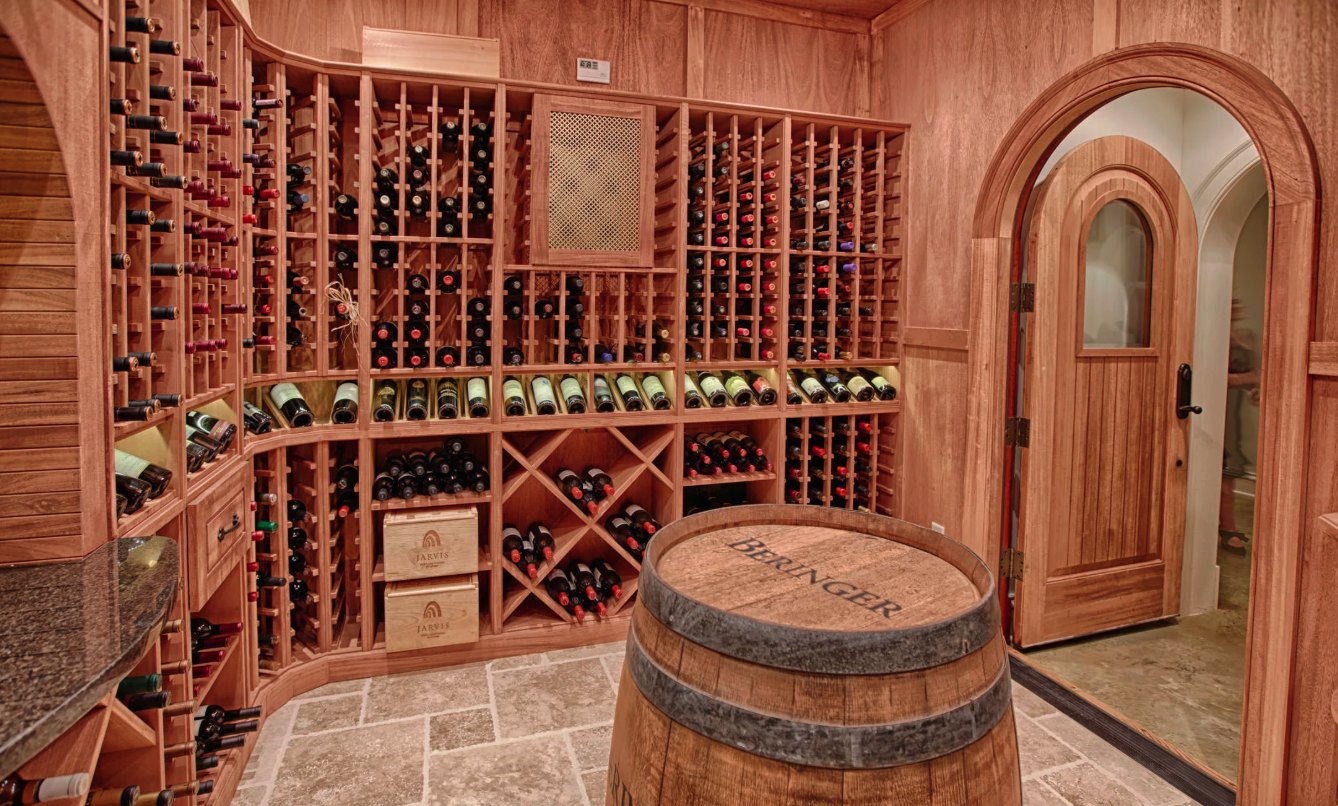
Walk-in wine cellar with wood racking, a stone floor, an arched wooden door and a barrel tasting table
Lititz & Manheim Township

Why a basement alone isn't a cellar here

A lot of people north of Lancaster assume their basement is already cool enough for wine. For part of the year it might be. But Lancaster County basements swing with the seasons, damp and warmer in summer, drier in winter when the heat is running. Those swings are what age wine too fast and dry out corks. A real cellar holds about 55 to 58 degrees and steady humidity no matter what month it is.

The homes here give us different starting points. Older houses in Lititz often have stone foundation walls that hold moisture and stay cool, which helps with temperature but needs careful handling of humidity. Newer homes in Manheim Township and Warwick Township usually have poured or block walls and finished lower levels, where the cellar can be carved out of an unused corner or built off a home bar.

Whatever the house, we treat the cellar as a small, sealed room with its own climate. Joe designs the layout around your collection and how you like to see it, from wood racking floor to ceiling to a glass-front room off the family area. Tom builds the walls, insulation and door so the cooling unit isn't fighting the rest of the house.

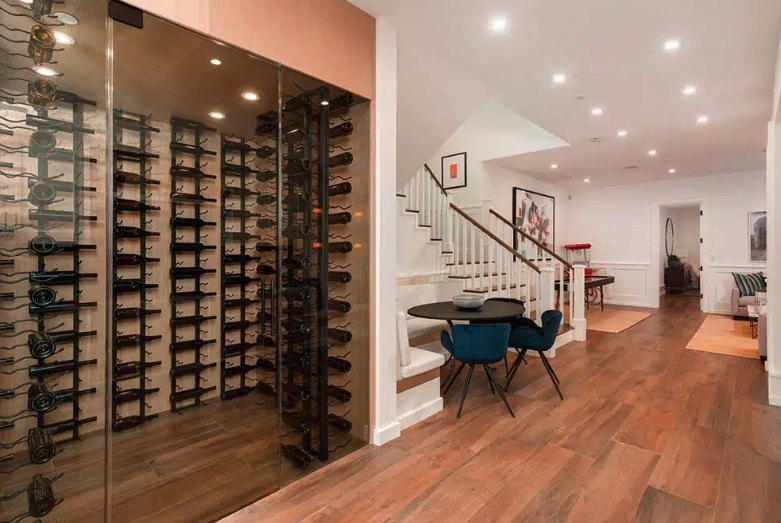
Glass-walled wine cellar with floor-to-ceiling metal racking in a finished basement
Engineered first

How we build a cellar that holds steady

Vapor barrier and insulation

Moisture moves from warm to cool. We put the vapor barrier on the warm side of the walls and ceiling, then insulate all of it. In older Lititz homes with stone walls, we plan this carefully so the cellar stays sealed without trapping moisture in the foundation.

Dedicated cellar cooling

A regular air conditioner can't hold cellar temperatures or humidity. We size a dedicated cellar cooling system from a heat-load calculation of your room. Depending on the space, that may be self-contained, ducted or a split system with the noisy part placed out of earshot.

A sealed, insulated door

The door is where most cellars leak. We use an exterior-grade insulated door with proper seals, whether solid wood or glass. If you want a glass wall or enclosure for display, we spec glazing that keeps the room tight and limits heat gain.

Racking and cool lighting

We design wood or metal racking around the bottles you buy, from standard bottles to magnums and cases. Lighting uses fixtures that don't heat the bottles. A tasting table or counter can go inside the cellar or just outside it.

What's included

One contract covers the whole room.

  • Moisture and temperature check of the space
  • Vapor barrier and full insulation of walls and ceiling
  • Dedicated cellar cooling sized from a heat-load calculation
  • Exterior-grade insulated and sealed door
  • Wood or metal racking designed to your collection
  • Optional glass enclosure or display wall
  • Low-heat lighting
  • Tasting table or counter
  • Manuals and a maintenance schedule at the reveal
What it costs

Typical investment for a wine cellar.

Cellar pricing depends on the size of the room, the cooling system it needs and the racking and glass you choose. Here is how projects typically range.

Display wall or closet cellar

$15,000–$40,000

Roughly 200 to 500 bottles in a glass-fronted wall or converted closet with insulation, a vapor barrier and cooling.

Walk-in cellar

$40,000–$100,000

Roughly 500 to 1,500 bottles in a sealed, insulated room with ducted or split cooling and custom racking.

Collector's cellar and tasting room

$100,000–$250,000+

Large-capacity storage, case racking, a glass enclosure, a tasting area and inventory lighting.

These are typical industry ranges for finished projects in Pennsylvania, shown for planning only. They are not a quote. Your price depends on the size and condition of the space, the structural, electrical, plumbing and HVAC work it needs, the cabinetry and finish level you choose, and permit requirements. Racking material (stained wood, metal or acrylic), glass enclosures, the cooling system and door hardware make the biggest difference. Furniture, tasting tables and décor are not included unless they're listed in your quote. Every project gets a fixed, itemized quote after design.

Where we build

Serving Manheim Township, Lititz and Warwick Township.

We design and build wine cellars in Manheim Township, in the borough of Lititz and across Warwick Township, in everything from older stone-walled basements to new finished lower levels. A cellar usually involves new electrical and cooling equipment, and we pull the permits and schedule inspections with your township or borough for most projects.

Manheim TownshipLititzWarwick Township

Common questions.

My basement already feels cool. Do I really need a cooling unit?

In most Lancaster County homes, yes. A basement can feel cool in spring and still get too warm and damp by August, then dry out when the furnace runs in January. Wine wants steady conditions all year. A dedicated cellar cooling unit, sized for the room, is what keeps temperature and humidity in range through every season.

Can you build a cellar against the stone foundation in my Lititz home?

Often, yes. Stone foundations stay cool, which helps, but they also carry moisture. We look at the walls at the consult, deal with any water issues first and plan the vapor barrier and insulation so the cellar stays sealed. Sometimes that means building a new insulated wall just inside the stone.

Can I have a glass wine room instead of a closed cellar?

Yes. A glass enclosure off a family room, dining room or home bar is a popular choice. Glass adds heat load, so we account for it when sizing the cooling, and we use sealed doors and frames. The result is a room you can see into that still holds proper storage conditions.

How many bottles should I plan for?

More than you have now. Most collections grow once there is a good place to keep them. We ask what you buy, how long you hold it and whether you store cases or magnums. Then we design the racking with room to grow and lay it out so your everyday bottles are easy to reach.

Can the cellar connect to a home bar or tasting area?

Yes. A lot of lower levels north of Lancaster have room for both. We can put a tasting table inside the cellar or design a bar just outside it with a glass wall between them. We plan the plumbing, electrical and cooling for both spaces together.

Tell us about the room you want.

A design consult takes about an hour at your home. You'll leave with a clear answer on what fits, what it involves, and what it costs.

Consults by appointment, weekdays and Saturday mornings